

Land Trust Issues in 2025 State Legislature
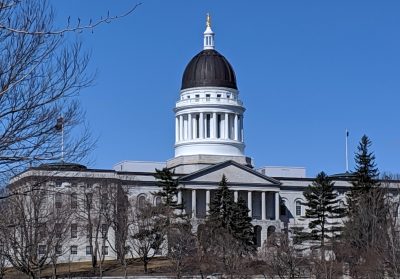
News from Augusta
In late January, the Maine Legislature released this year’s list of bill titles, which includes over 2,100 proposals. As of late January, Maine legislators and state agencies have collaborated with nonpartisan legislative staff to finalize 376 of these proposals into formal bills. Most of the remaining titles are expected to become bills in the coming months, with the legislature typically printing a hundred or more new bills each week. Below are some of the significant issues that will affect the work of land trusts that the Maine Legislature will address in 2025.
Land for Maine’s Future
MCHT is collaborating with various organizations to advocate for legislation that will ensure both short-term and long-term support for the Land for Maine’s Future (LMF) program. In 2021, Governor Mills, along with bipartisan leaders from the House and Senate, allocated $40 million for LMF. Over the past three years, the LMF board has directed approximately 85% of these funds to support more than 100 projects statewide, with plans to allocate the remaining 15% over the next year. The $40 million approved in 2021 is expected to conserve over 80,000 acres of land for conservation and recreation purposes, including 16,000 acres of working forests, 9,000 acres of critical deer habitat, twelve productive farms, and seven working waterfronts.
LMF Short-term Funding Proposals
New funding is required for the LMF program to continue its work in 2026 and beyond. To address immediate funding needs, legislators have introduced bills to fund the LMF program either by allocating money in the state budget (similar to how it was funded in 2021) or through a bond issue (which has been the more common funding method since the program began in 1987). As the appropriations process unfolds, MCHT and other stakeholders will collaborate with policymakers to determine the best path forward. This will be particularly challenging in 2025, as the Governor and legislators must balance multiple competing needs against a difficult revenue forecast.
LMF Long-term Funding Proposals
As we work to address LMF’s short-term funding needs, MCHT and its partners are supporting two bill proposals aimed at securing long-term funding for the program in future budget cycles. The first proposal connects the development of new high-impact transmission corridors with conservation funding. Maine is increasingly recognized as a source of renewable energy for other parts of New England; however, Maine residents bear the full brunt of the environmental impacts associated with these developments. This bill would ensure that states looking to Maine for renewable energy must also compensate for the habitat losses in Maine by directing funds into LMF.
An update to the state’s Mineral Mining Excise Tax is being considered as a potential source of funding. Established in the early 1980s, this tax has not generated any revenue because no mining has taken place in the past four decades. However, the prospect of a lithium mine opening in western Maine in the near future suggests that mining excise tax funds may soon be generated. Under current law, the tax allocates a portion of its funds to land conservation and management. The Governor has proposed LD 223, a bill that aims to increase the excise tax rate, simplify the tax structure, and allocate 75% of the revenues to the LMF program.
Update to Open Space Tax Law
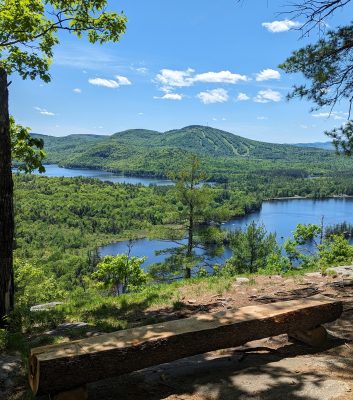
MCHT is collaborating with The Nature Conservancy, Maine Audubon, the Maine forest product industry, and other stakeholders to update the state’s Open Space Current Use Tax Law. This initiative first emerged as a recommendation from the Governor’s Forest Carbon Tax Force in 2021. The update aims to streamline the current requirements, make the law more appealing to private landowners, and create new incentives for participating landowners to adopt management techniques that enhance carbon sequestration and improve wildlife habitats.
Last year, we proposed a similar initiative that called for a new valuation method for the program. In contrast, this year’s bill will maintain the existing valuation method but will amend the current statutory percentage reductions.
Property Taxes
Property tax increases are a concern for communities across the state of Maine. Legislators are exploring various ways to address this issue. Unfortunately, some individuals are considering undermining the property tax exemption for nonprofits as a possible solution. Although the bills have not yet been printed, we anticipate that two proposals will emerge in the Taxation Committee that could negatively affect the property tax exemption for land trusts and other nonprofit organizations. MCHT is working closely with the Maine Association of Nonprofits (MANP) to prepare an appropriate response for the upcoming hearings.
Renewable Energy
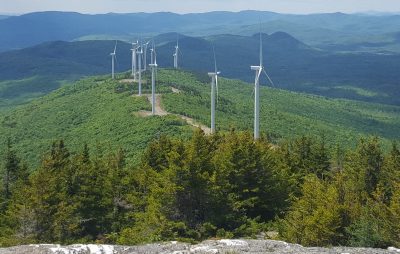
There are multiple legislative proposals regarding renewable energy, some aimed at promoting development and others intended to hinder it, both on land and in the ocean. MCHT is actively seeking ways to steer this type of development away from crucial wildlife habitats and to ensure meaningful mitigation measures when avoidance is not possible. In the last legislative session, we collaborated with partners to pass LD 1881. This bill instructed the Maine Department of Environmental Protection (DEP) to establish rules for mitigation under the state’s Site Development Law concerning solar, wind, and transmission corridors. The legislature will consider these rules in 2025, along with a competing proposal developed by forest landowners and the forest products industry.
Tribal Priorities
The Wabanaki Alliance will once again be promoting several legislative proposals. Two of these proposals will focus on jurisdiction over tribal lands and access to federal programs, similar to proposals from recent sessions. To stay informed about their priorities, it’s best to visit the Alliance’s website and sign up for their email updates.