

State Legislative Session Begins
Maine’s 132nd Legislature returned to Augusta on January 7th. Policymakers will be taking up a few hundred bills carried over from their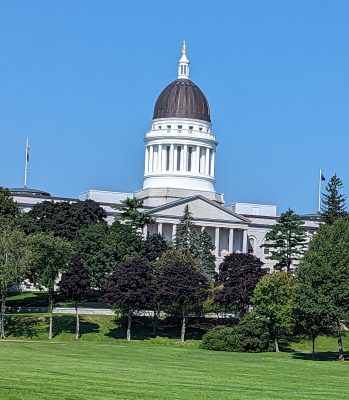 session that ended in June and at least another hundred new bills that will be printed in the weeks ahead. This year, the second year of their two-year term, is the shorter one and will wrap up around mid-April. There are a handful of issues that impact the work of land conservation organizations that the legislature will address in 2026. Here are some of the highlights based on current information, other issues may arise over the next few months. Stay tuned for future updates.
Land for Maine’s Future Funding
In 2021, Governor Janet Mills and the Maine Legislature appropriated $40 million for the Land for Maine’s Future (LMF) program. Over the past four years, the LMF Board and staff have been busy directing these dollars towards dozens of projects around the state at a pace that will result in nearly 100,000 acres of new conservation land. Since nearly all the 2021 LMF funds have either been spent or obligated to existing projects, replenishing the program with new funds is critical at this time. There are a variety of funding options for policymakers to consider. In 2026, LMF supporters will be working with the Governor and legislative leaders to figure out the best path forward to ensure the program can continue to benefit people across Maine, securing public access for recreation, protecting working landscapes, preserving water quality, and conserving wildlife habitats.
Tribal Legislation
The Legislature’s Judiciary Committee is expected to be holding public hearings in 2026 on two priority tribal bills: LD 395, An Act to Restore Access to Federal Laws Beneficial to the Wabanaki Nations and LD 785, An Act to Enact the Remaining Recommendations of the Task Force on Changes to the Maine Indian Claims Settlement Implementing Act. For more information on these proposals and other related legislation visit the Wabanaki Alliance.
Housing Issues
Last year, the legislature enacted LD 1829 in an attempt to increase the number of housing units in the state. Some of the bill’s policy changes have raised questions for land trusts and their municipal partners. In 2026, the legislature will be considering a bill to make some adjustments to LD 1829, including addressing a drafting error in the previously enacted bill. It is important to track this issue as it moves through the State House and to assess whether state policy is striking the right balance between Maine’s housing and other community needs including land conservation.
Property Taxes
Rising property taxes continues to be a concern in municipalities throughout Maine. In 2025, the legislature established a two-year task force to examine this issue and develop recommendations for how policymakers can alleviate property tax burdens for Maine residents. The task force is in the process of finalizing an interim report that they will provide to the legislature in January (a final report will be completed in 2027). While some continue to suggest taxing land trusts and nonprofits should be part of the solution, to date this policy prescription has yet to gain a lot of traction. Instead, the task force has been spending more time considering ways to bolster the Homestead Exemption and improve the state’s Circuit Breaker program.
Recreational Access to Private Lands
The legislature is expecting a report by mid-February from the Department of Inland Fisheries & Wildlife and the Department of Agriculture, Conservation, and Forestry. These two agencies assembled a working group in late summer to discuss issues related to public access on private lands. Since more than 93% of Maine is privately-owned, a lot of outdoor recreational activities in the state occur on and depend upon access to private lands, including properties owned by land trusts. The working group is looking at ways to make sure Maine’s outdoor traditions can continue to work for private landowners and public users alike. They issued a draft report in early January.
More Information For more information on these or other public policy issues, contact Jeff Romano, MCHT’s Policy Director.